
Article published on 23 November 2023
When it comes to play value, it is less about the number of “activities” on a piece of play equipment and more about the quality of the play experience for children. For clients, it’s about safety, durability, sustainability, warranty and customer service. Typically, Australian playgrounds combine several factors that provide children with an engaging, educational, and physically active experience. Let’s unveil the secrets of play value.

The RIGHT equipment
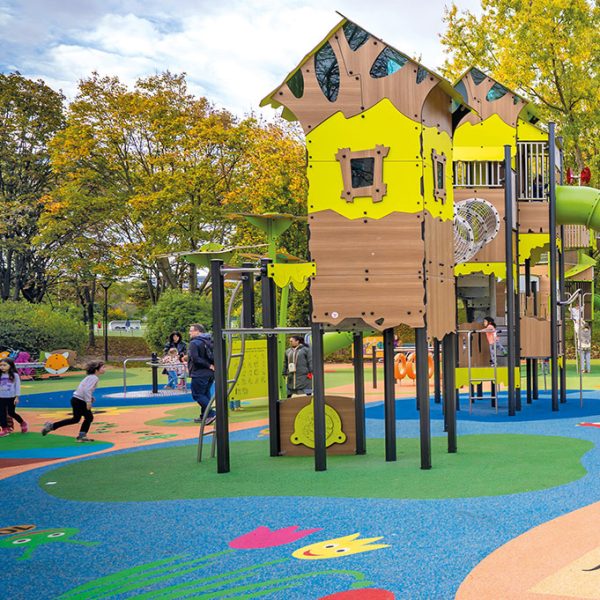
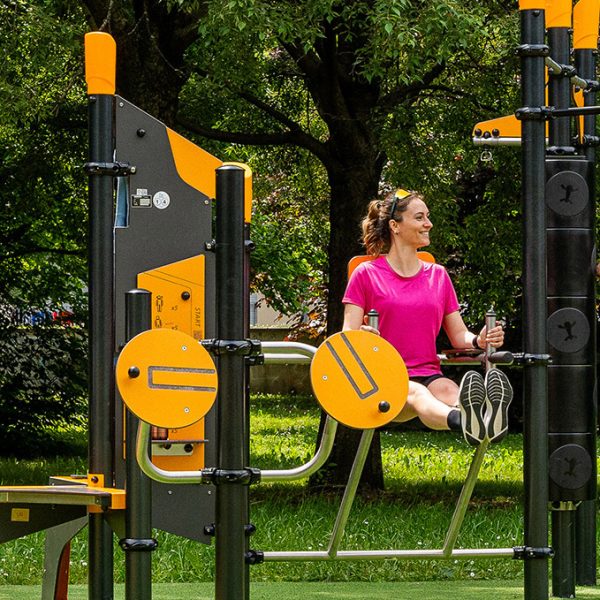
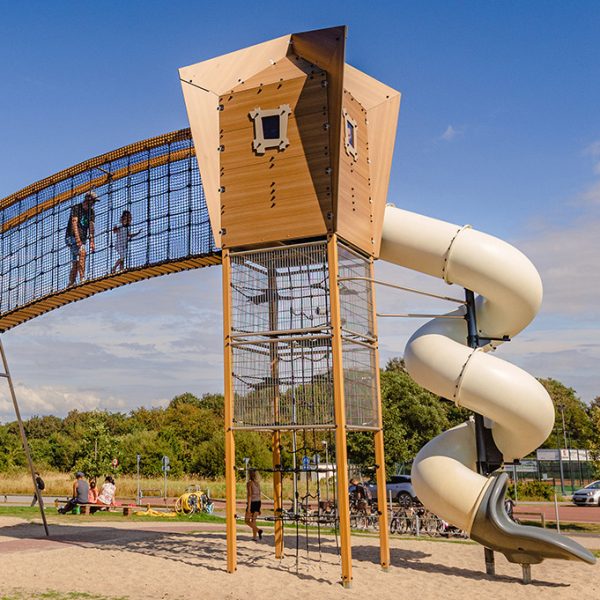
To create an interesting and engaging playspace that contributes to the health and wellbeing of communities, different factors need to be considered. Size matters! The chosen play equipment needs to be suitable for the age group of children that will be using the playground. What that means is that the play items will be at the right scale for its users, challenging and safe at the same time. Understanding the varying needs in different age groups is fundamental for child-oriented playspace design. Furthermore, the featured equipment should incorporate the capacity for skills progression as children become more confident.
The most important question to determine play value is: Does it foster the type of activity that children and carers want to engage with?
Steve Walding, Managing Director at Proludic
Socially essential
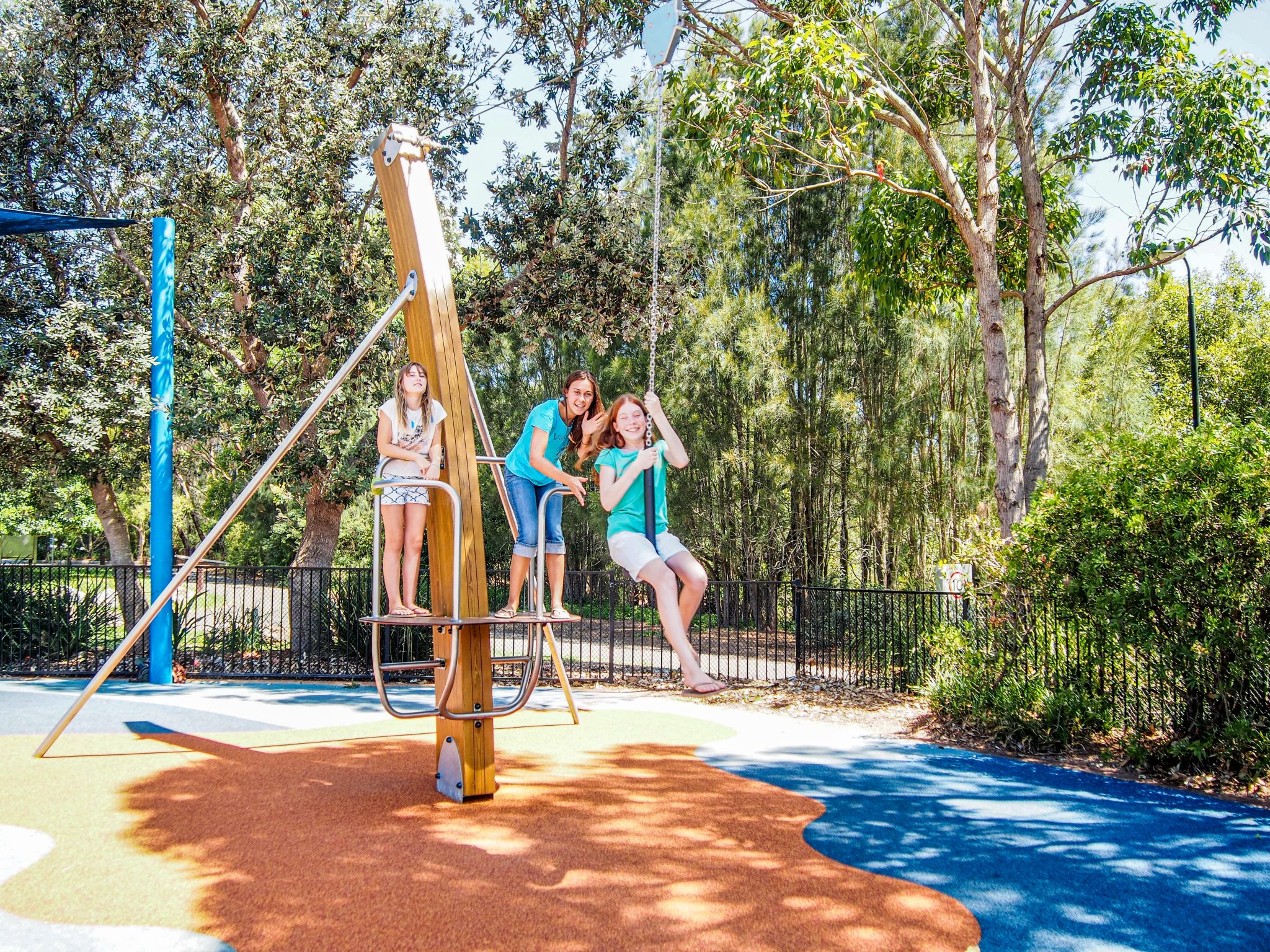
Socialising plays an important role in children’s development, teaching them how to communicate, cooperate and negotiate with others. They also learn how to solve problems in a social environment. These skills are fundamental for success in school, work, and life in general. Playspaces should encourage socialising both with other children, and carers, to develop these essential skills.
Imagination Stimulation
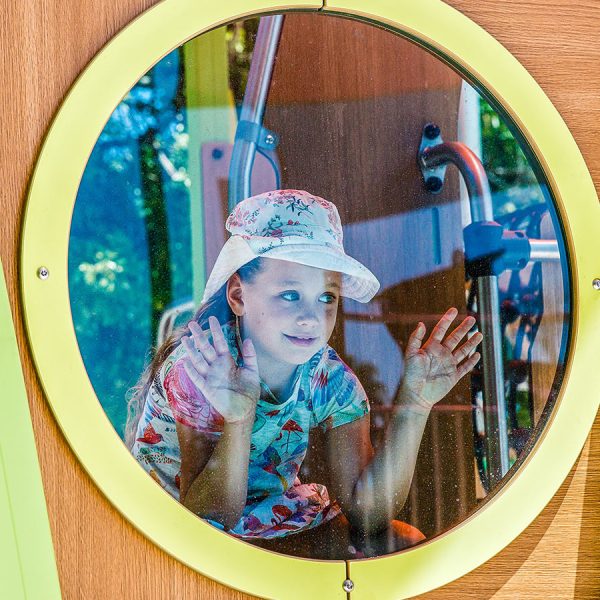
Imaginative play activities are crucial for a child’s cognitive, social, and emotional development. These activities encourage creativity, problem-solving, and the development of language and social skills. Themed play structures, sand and water play, play houses, role playing areas and musical play equipment are all elements that encourage imaginative play in a playspace. These activities not only promote imaginative play but also contribute to various aspects of a child’s development, including problem-solving, social skills, and emotional expression. The key is providing a supportive environment that invites children to use their creativity and imagination.
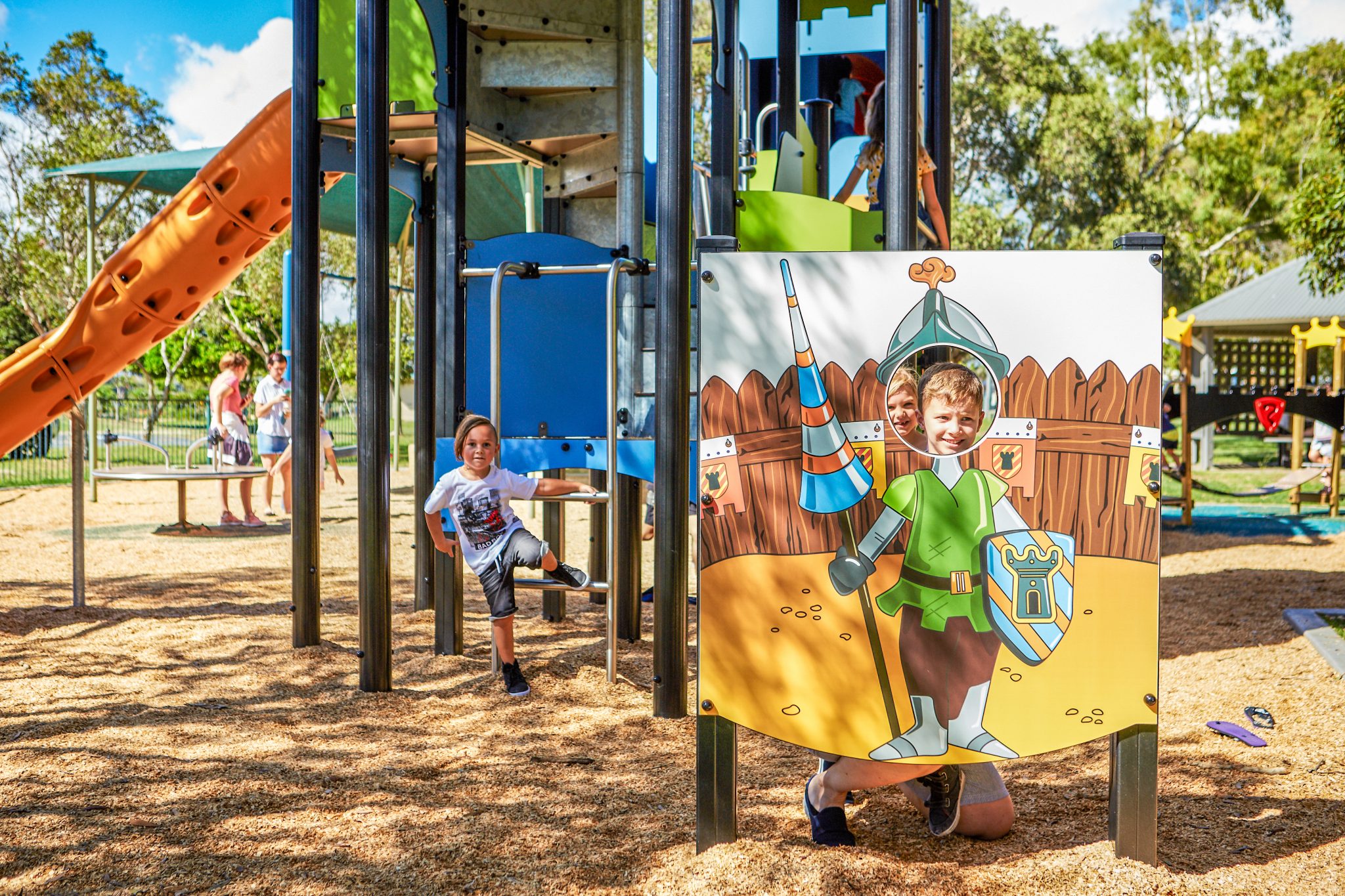
Self-determined play means that children can direct their own play adventure without guidance.
Steve Walding, Managing Director at Proludic

Valuable to everyone
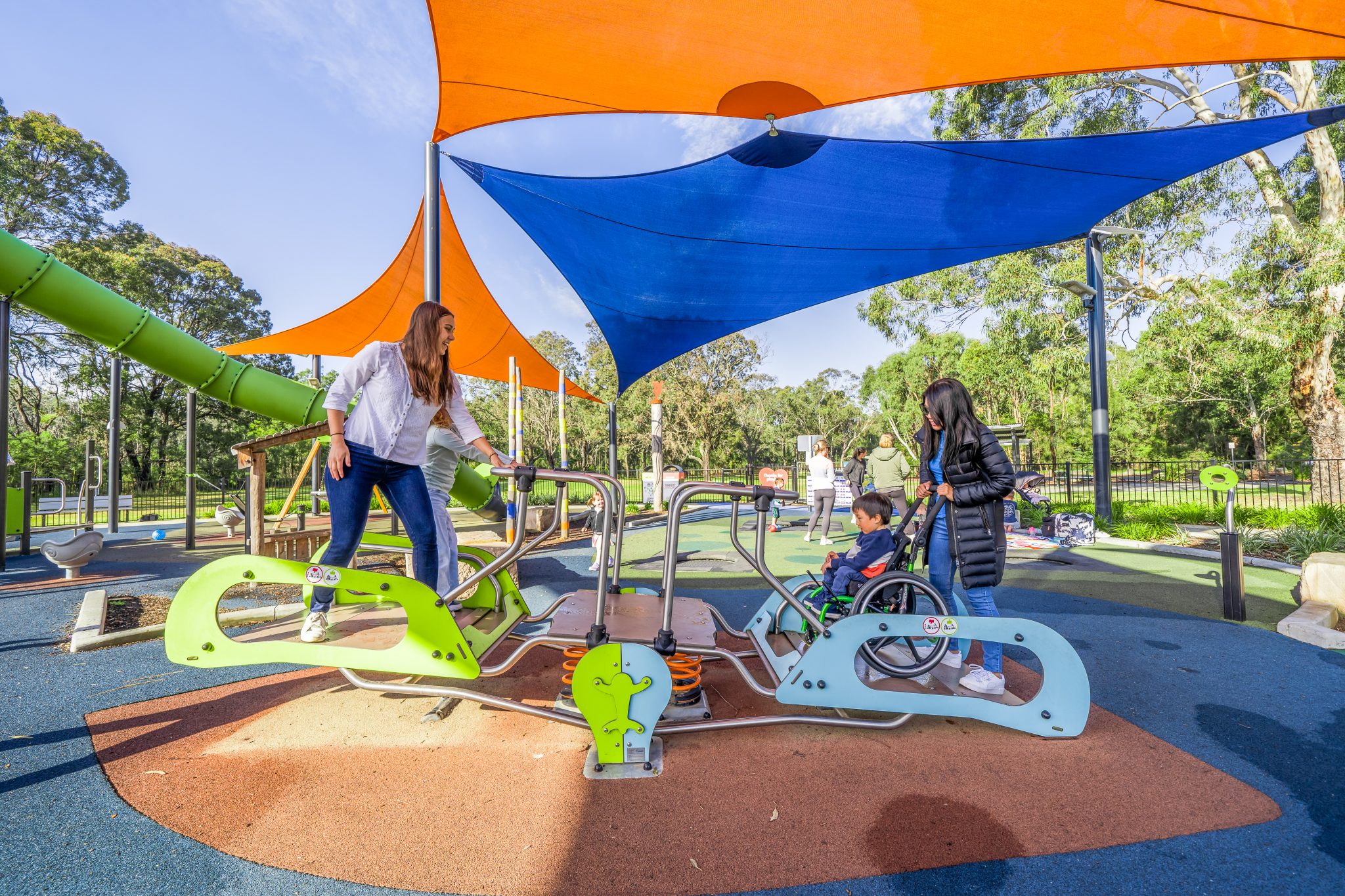
Ensuring inclusion is a vital aspect of enhancing the play experience. A playground featuring inclusive and accessible design offers every child the chance to participate in play, regardless of their abilities. The goal is to make play accessible to everyone. To promote inclusion, it is beneficial to engage with specialists and leverage their expertise in designing a playground that caters to diverse needs.
Material matters
Finally, the choice of materials for the play equipment not only contributes to the play value but also adds value to the entire playground. The materials must align with the nature of the activity, ensuring durability and sustainable sourcing. When interacting with the play equipment, the tactile experience should be enjoyable, providing a sense of security.

Additionally, the equipment should perform in a manner consistent with user expectations. Above all, safety is paramount, and compliance to playground standards is crucial. Availability of spare parts and a reliable warranty further enhances the overall quality and play value of the equipment.
Combined the secrets of play value are about providing an interesting, engaging playspace for the community that fosters health, wellbeing and community bonds.
Wanna know more playspace related secrets? Contact us via the form below.
More Tips from Experts
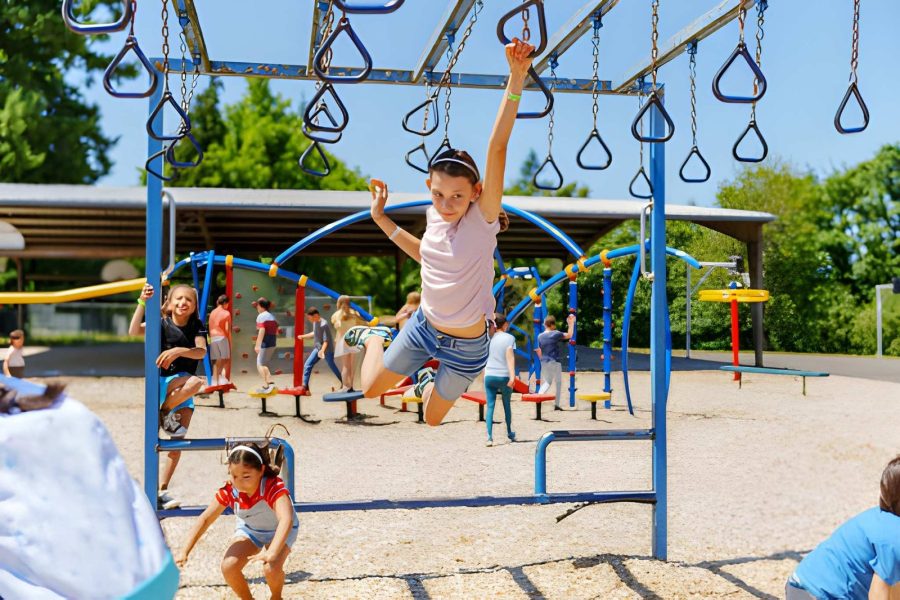
Playground Equipment Maintenance and Safety Inspections: An Australian Council’s Guide to Compliance
Article published on 17 September 2026
Somewhere on your council’s books right now sits a playground that was signed off five, ten, maybe fifteen years ago, and nobody’s given it a second thought since the ribbon was cut. That’s the problem. Sun, salt air, tree roots, and thousands of small hands and feet have been quietly working against it every single...
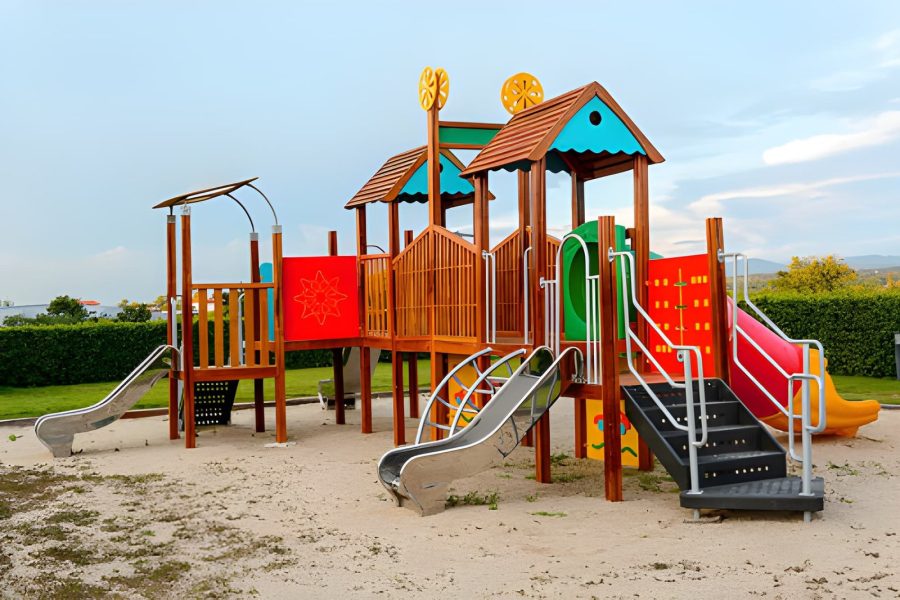
Playgrounds for Caravan Parks and Holiday Resorts: How to Choose Equipment That Survives Peak Season
Article published on 17 September 2026
A council playground has it easy, honestly. It sees the same familiar crowd of local families week after week, and kids who treat the equipment roughly the way they’d treat their own backyard gear, spread out fairly evenly across the whole year. A caravan park or holiday resort playground lives a completely different life. It...


